
The numbers have been red for a while.
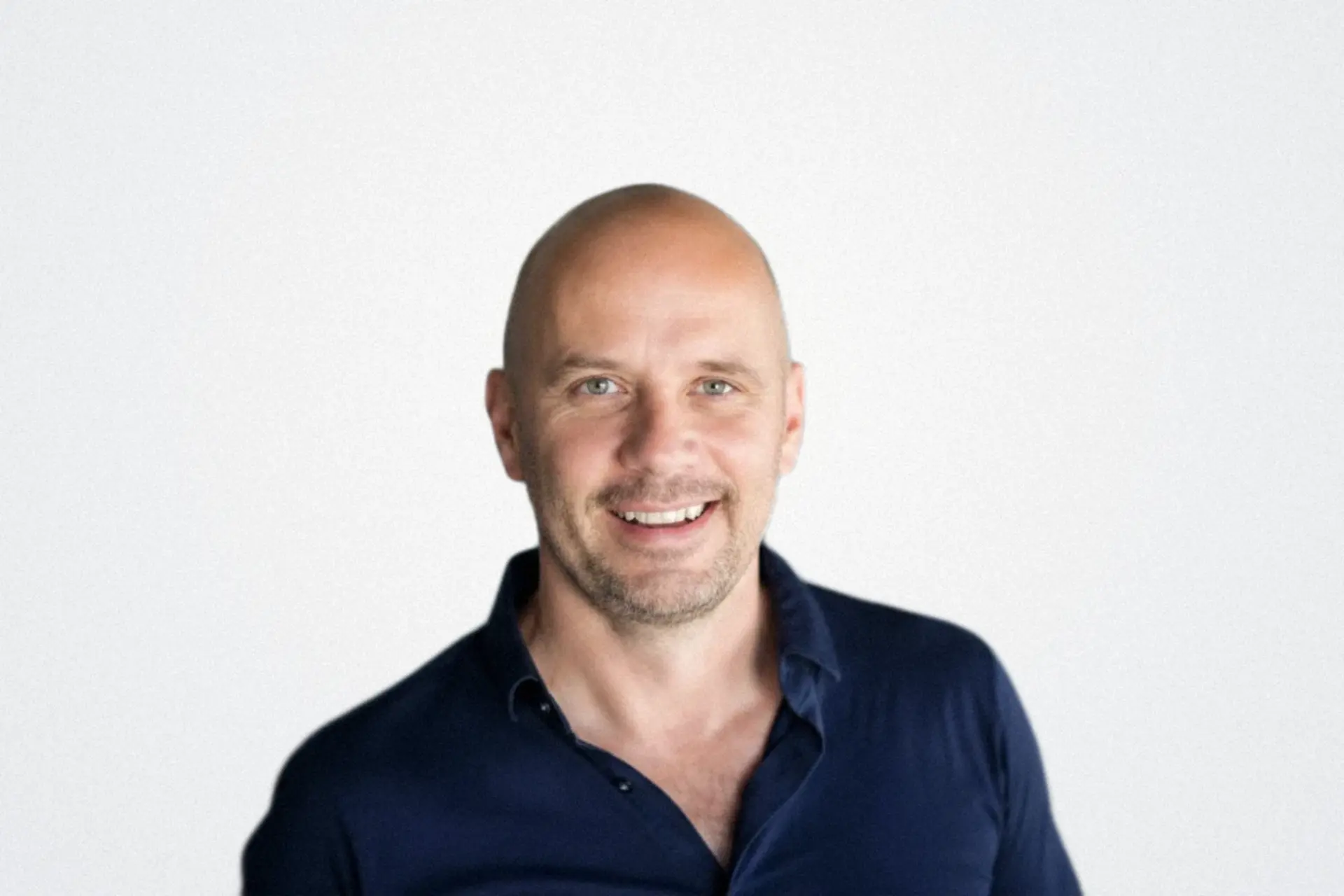
Hi, I'm Ive. The obvious fix has already been tried twice? I step in as a C-level interim executive, mostly as CPO or COO, with a real mandate. And I take the time to find out what's really going on before I make the big calls.
17+ years30+ engagementsInterim CPO, COO
One example
Turnaround, IT services · 23 months
Gross margin
−35% → +35%in 23 months, without letting anyone go
When I joined, the company had been losing money for several years in a row. We rebuilt the structure around clear roles and decisions and tied the team’s goals to what the business actually needed. We also put real work into rebuilding trust.
Read the case →About
Most teams are better than their results suggest.
I’m embedded in the company for as long as it takes, usually six months to two years. I take the job with the mandate and the accountability that come with it, and I’m there for the Tuesday meeting and the difficult one-on-one. When there’s no real mandate, I say no, because then I’d just be an expensive advisor.
01
The first weeks
The first weeks are the hardest part, for me too. I don’t know yet who I can count on, and they don’t know whether they can count on me. So I listen a lot, especially to the people who don’t usually get to talk to leadership, and I make a few small decisions quickly so people see what I do with what they tell me.
02
Human architecture
After 30+ engagements I look at every company through the same lens. I call it human architecture: who decides what, who trusts whom, and how work actually moves between people. Almost every stuck organization I’ve seen was stuck right there. A role that never got redesigned when the company doubled. Trust that wore thin after a departure nobody talked about. More and more, that also means product and platform organizations, where several teams and systems have to hold together as they grow.
03
Whatever works
Once it’s clear who decides, I give people more room than they would take themselves. I bring pace and calm, and I laugh easily, which in a company under pressure does more work than you’d expect. Beyond that lens I don’t have a fixed method. My rule is borrowed from a film: whatever works. What I’m after is something that keeps working after I’ve left.
What I do
Sometimes it’s the strategy. More often, it’s how people work together.
01
Who decides what
Decisions pile up or get avoided, and people start working around each other. Usually everyone sees it, but nobody says it out loud. I look at where decisions are really made and where they should be made, and I change the structure so the work flows again.
02
The people who need to lead
The people who got the organization this far aren’t always the ones who can take it further. I work alongside them on real decisions and coach them while we do the work, until they can carry it without me.
03
From plan to Monday morning
Everyone agreed on the direction, and on Monday morning people still work the way they did before. In my experience the cause is almost always in the structure. I build what’s missing between the plan and the daily work.
Questions
A consultant analyzes and recommends, and then someone else has to do it. I join the leadership team as an interim executive, usually CPO or COO and carry the operational responsibility. I make the decisions together with you and stay until it works without me.
When the team keeps ending up in the same place and nobody quite knows why. Everyone is busy and the same issues keep coming back. That can be after a founder or a key leader leaves, or during a dip in results. Sometimes the company has simply outgrown the way it works. By then, pushing harder usually doesn’t help anymore.
The first two weeks I mostly listen. I sit down with every key person, and with people who rarely get to talk to leadership, to see what’s really going on beyond the org chart. In weeks three and four I share a first diagnosis and put the uncomfortable things on the table. I also take a few quick decisions. By the end of the month we agree on who decides what, and I’ve started building.
I work on a fixed day rate, agreed upfront. There’s no fee linked to results, because what I commit to are the decisions and milestones of the first hundred days. You’ll know the cost before we start.
No. A fractional executive works one or two days a week for several companies. I work in one organization at a time, full-time. The problems I take on need someone who is there every day, knows the people and carries the weight with them.
Most run 6 to 24 months. I stop when the structure works and the team can carry it without me. A few engagements turned into a permanent role, when that was the right outcome for both sides.
If it's the right fit, yes. I've done both: handed over and left, and stayed because the challenge kept growing. It depends on whether the company needs the same person for building and for running. Sometimes it does.
Typically 15 to 500 FTE. Big enough to have real structural complexity, small enough that one person in the right seat can move the whole organization. Most of my work has been in scale-ups and mid-sized companies, some backed by PE or VC, others founder-led or family-owned.
How we start
A conversation
You tell me what’s going on and I tell you honestly whether I can help.
A proposal within a week
If there’s a fit, you get a proposal within a week.
The start
Most engagements start two to four weeks later.
Contact
Tell me what’s going on
The messy version is fine. I’ll tell you honestly whether I can help.